
Category Archives: Blog

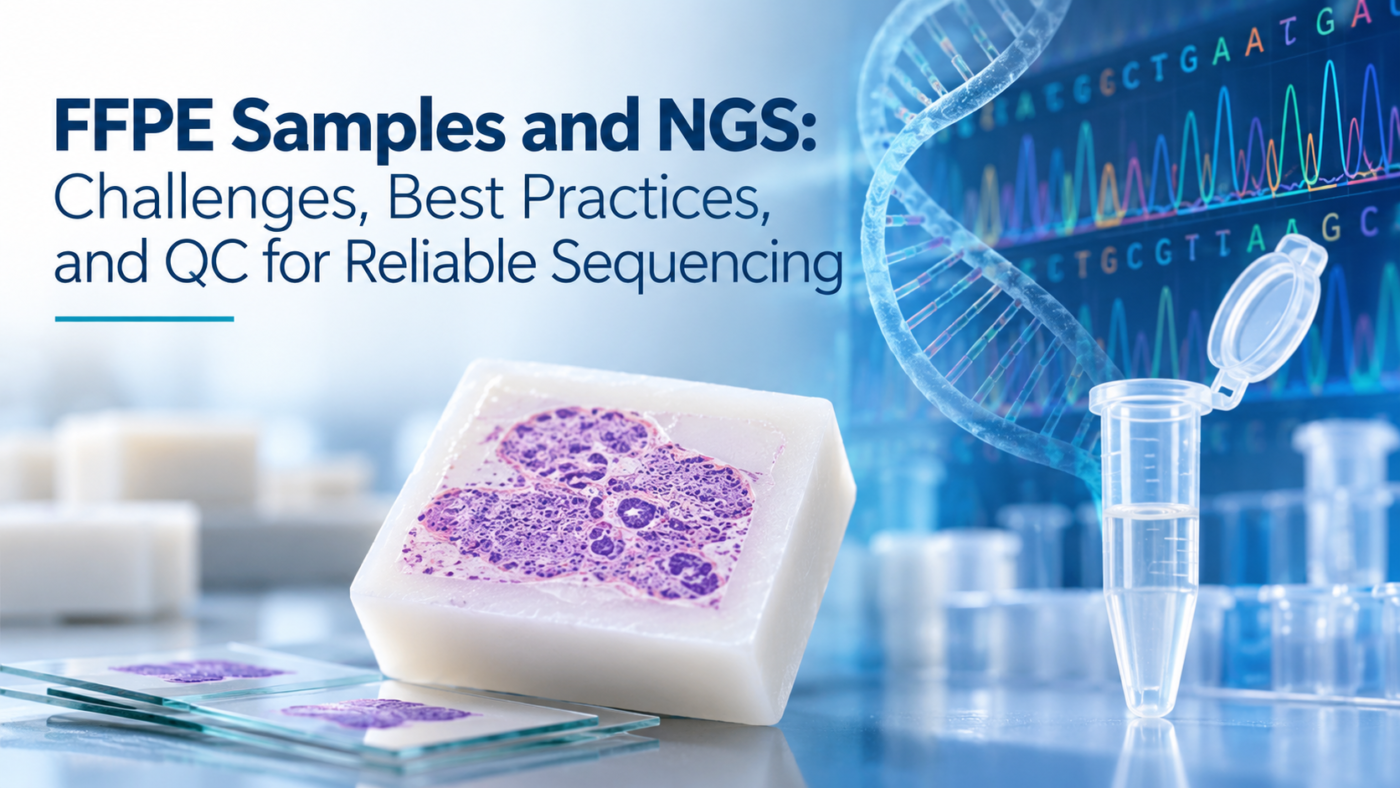
FFPE Samples for NGS: Challenges, Quality Control & Best Practices

FFPE tissue block and histology slides with DNA sequencing graphics illustrating NGS sample preparation and quality control.

Formalin-fixed, paraffin-embedded (FFPE) tissue is widely used in cancer research and molecular oncology. Pathology archives provide valuable specimens for studying genetic alterations, but preparing these samples for next-generation sequencing (NGS) presents unique challenges. The same formalin fixation process that preserves tissue morphology can also fragment and chemically modify DNA and RNA. These changes may affect […]

Real-Time PCR Troubleshooting: Late Ct Values, No Amplification & Contamination

Real-time PCR troubleshooting featuring amplification curves, a PCR instrument, and common issues including late Ct values and contamination.

Every laboratory running real-time PCR eventually encounters unexpected results: a flat amplification curve, Ct values that shift later than expected, or amplification in a no-template control (NTC). These problems can originate from sample quality, extraction, reagents, assay setup, or instrument settings. Identifying the cause requires a systematic approach rather than changing multiple variables at once. […]

Nucleic Acid Extraction for PCR and NGS: Methods, Quality Control, and Best Practices

Nucleic acid extraction for PCR and NGS showing a laboratory pipette, sample tube, and automated purification equipment.

When a real-time PCR run produces unexpectedly high Ct values or an NGS library fails quality control, the problem may start before amplification or sequencing—with nucleic acid extraction. DNA and RNA extraction is a critical step in molecular workflows. Poor recovery, contamination, or inhibitor carryover can affect downstream results, even when assays and instruments perform […]

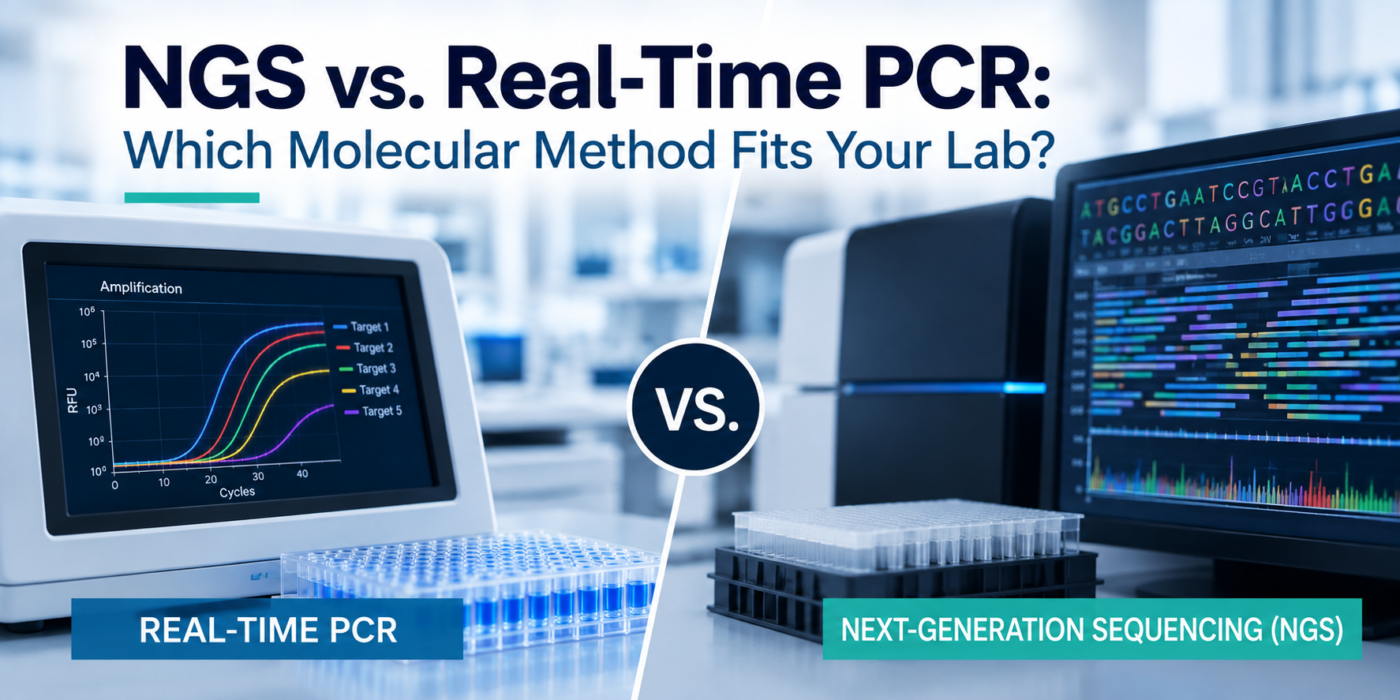
NGS vs. Real-Time PCR: Which Molecular Method Fits Your Lab?

NGS vs. real-time PCR comparison for molecular laboratory workflows

Real-time PCR and next-generation sequencing answer different molecular questions. Compare target coverage, throughput, workflow complexity, data analysis and other considerations when choosing an approach for your laboratory.

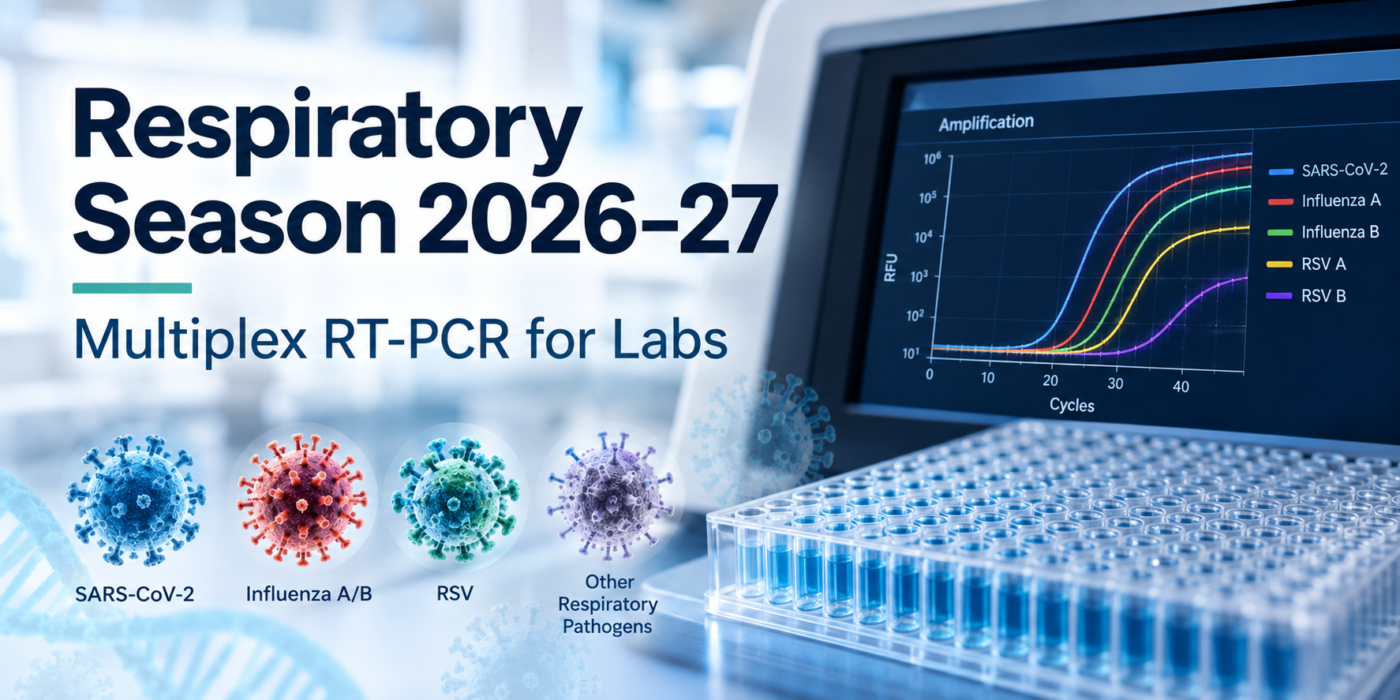
Respiratory Season 2026–27: Planning Your Multiplex RT-PCR Workflow

Multiplex RT-PCR respiratory testing workflow for the 2026-27 respiratory season

The 2026–27 respiratory season is beginning. See how multiplex RT-PCR panels, extraction workflows and thoughtful target selection can help molecular laboratories prepare for changing respiratory research demands.

Preventing and Diagnosing UTIs

Preventing and Diagnosing UTIs

Urinary tract infections (UTIs) are among the most common bacterial infections, affecting millions of people each year in the United States. While they can occur in anyone, women are particularly susceptible due to anatomical differences, such as a shorter urethra that allows bacteria to reach the bladder more easily. Men, older adults, and individuals with […]

Rising STI Rates in Summertime

Rising STI Rates in Summertime

Sexually transmitted infections (STIs) are increasing at an alarming rate worldwide, posing significant public health concerns. Recent data shows that STI cases have surged in many regions, including the Americas and Africa1. Factors such as changing sexual behaviors, decreased condom use, and reduced access to healthcare services contribute to this rise. The increase underscores the […]

Antibiotic Resistance and the Need for Rapid Detection

Antibiotic Resistance and the Need for Rapid Detection

Antibiotic resistance is one of the most significant public health threats today. It occurs when bacteria evolve and become resistant to antibiotics that once killed them. This resistance develops due to the overuse and misuse of antibiotics, allowing bacteria to survive and multiply despite treatment. How Does Antibiotic Resistance Happen? Bacteria naturally adapt to their […]